
In today's globalized market, trading US stocks and understanding exchange rates has become a vital skill for investors and traders worldwide. Whether you're a seasoned pro or just dipping your toes into the stock market, this article will provide you with a comprehensive guide on how to navigate this complex landscape. We'll delve into the basics of trading US stocks, the role of exchange rates, and key strategies to help you make informed decisions.
Understanding US Stocks
What Are US Stocks?
US stocks represent ownership in a company listed on a US stock exchange. When you buy a stock, you're essentially purchasing a small piece of that company. The stock market is a place where investors can buy and sell these shares, and the value of a stock is determined by supply and demand.
Types of US Stocks
There are several types of US stocks, including:
- Common Stocks: These offer voting rights and the potential for dividends.
- Preferred Stocks: These have a fixed dividend payment and usually do not offer voting rights.
- Blue-Chip Stocks: These are shares of well-established, financially stable companies.
- Growth Stocks: These are shares of companies with high potential for growth.
The Role of Exchange Rates
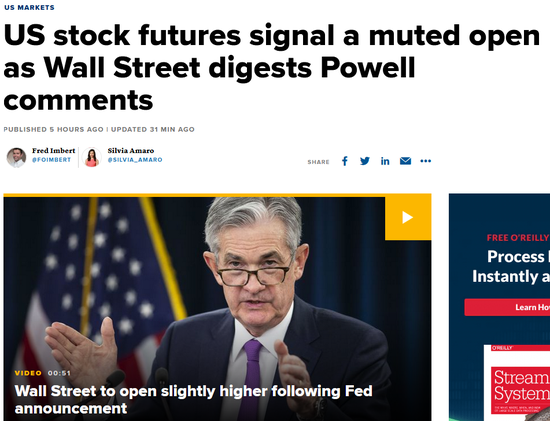
Exchange rates play a crucial role in trading US stocks, especially for international investors. The exchange rate determines how much of your home currency you need to buy US dollars to invest in US stocks.
Why Are Exchange Rates Important?
- Cost of Investment: A stronger US dollar can make US stocks more expensive for international investors.
- Dividend Reinvestment: When you receive dividends in US dollars, a weaker dollar can increase the value of your returns in your home currency.
- Currency Risk: Fluctuations in exchange rates can lead to gains or losses in your investment.
Strategies for Trading US Stocks and Exchange Rates
Diversify Your Portfolio
Diversifying your portfolio can help mitigate the risk associated with exchange rate fluctuations. By investing in a variety of US stocks across different sectors and geographical regions, you can reduce the impact of currency movements on your overall portfolio.
Use Stop-Loss Orders
Stop-loss orders can help protect your investments from significant losses. By setting a predetermined price at which you're willing to sell a stock, you can minimize your potential losses in the event of a sudden drop in the stock's price or a significant currency movement.
Consider Currency Hedging
Currency hedging involves using financial instruments to offset the risk of exchange rate fluctuations. Options such as forward contracts, currency swaps, and options can help protect your investments from adverse currency movements.
Monitor Economic Indicators
Keeping an eye on economic indicators can help you make informed decisions about when to buy or sell US stocks. For example, a strong US economy may lead to a stronger dollar, making US stocks more expensive for international investors.
Case Study: Investing in US Stocks During a Weak Dollar
Let's say you're an international investor looking to invest in US stocks. During a period when the US dollar is weak, you may find that US stocks are more affordable. This could be an opportune time to buy stocks, as their value in your home currency may increase if the dollar strengthens later on.
In conclusion, trading US stocks and understanding exchange rates is a complex but rewarding endeavor. By following the strategies outlined in this article, you can navigate the stock market and make informed decisions about your investments. Remember to stay informed, diversify your portfolio, and monitor economic indicators to maximize your returns.
us stock market today