
In the fast-paced world of finance, the stock market remains a vital tool for investors seeking growth and stability. For traders and investors, understanding when the US stock exchanges are closed is crucial for planning and executing their investment strategies. This article provides a comprehensive guide to the stock exchange holidays in the United States for the year 2015.
What Are Stock Exchange Holidays?
Stock exchange holidays are days when the trading floors of the stock exchanges are closed. These holidays are typically observed to mark significant events or commemorate historical milestones. In the United States, the major stock exchanges include the New York Stock Exchange (NYSE), the NASDAQ, and the American Stock Exchange (AMEX).
2015 US Stock Exchange Holidays: A Detailed List
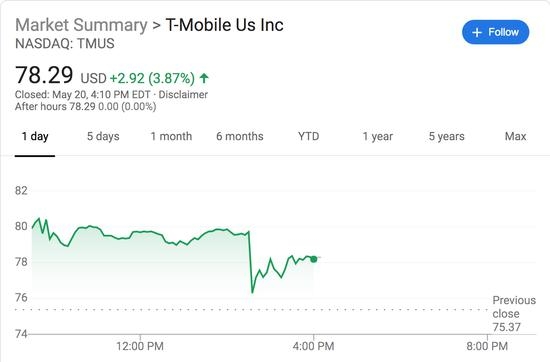
The following is a detailed list of the stock exchange holidays observed in the United States in 2015:
- New Year's Day: January 1, 2015
- Martin Luther King Jr. Day: January 19, 2015
- Presidents' Day: February 16, 2015
- Good Friday: April 3, 2015
- Memorial Day: May 25, 2015
- Independence Day: July 3, 2015
- Labor Day: September 7, 2015
- Columbus Day: October 12, 2015
- Veterans Day: November 11, 2015
- Thanksgiving Day: November 26, 2015
- Black Friday: November 27, 2015
- Christmas Day: December 25, 2015
Why Are These Holidays Important for Investors?
Understanding the stock exchange holidays is crucial for investors for several reasons:
- Holiday Trading Hours: Many stock exchanges operate on extended hours during the week, but these hours are typically not observed on holidays. Investors should be aware of the holiday trading schedule to avoid any unexpected market movements.
- Market Performance: The stock market tends to experience lower trading volumes during holidays, which can impact market performance and investment strategies.
- Investment Decisions: Being aware of the holidays can help investors plan their investments and avoid potential risks.
Case Study: The Impact of Stock Exchange Holidays on the Market
In 2015, the stock market experienced significant volatility due to various factors, including global economic uncertainties and geopolitical tensions. One notable example was the "Flash Crash" on August 24, 2015, when the S&P 500 index plummeted by nearly 10% in just a few minutes. The stock exchange holidays in 2015 provided investors with an opportunity to assess the market's resilience and make informed decisions.
Conclusion
Understanding the stock exchange holidays in the United States is essential for investors seeking to navigate the financial markets effectively. By being aware of the holidays and their impact on the market, investors can make informed decisions and minimize risks. Whether you are a seasoned trader or a beginner investor, familiarizing yourself with the stock exchange holidays is a valuable step towards achieving your investment goals.
us stock market today