
In the ever-evolving landscape of financial markets, investors are constantly seeking opportunities to diversify their portfolios. One such opportunity lies in the comparison between PyPL and the US stock market. This article aims to provide a comprehensive analysis of both markets, highlighting their unique characteristics, performance, and potential risks.
Understanding PyPL
First, let's delve into what PyPL stands for. PyPL is an acronym for "Python Package Index," which is the largest repository of open-source Python packages. As the Python programming language continues to gain popularity, PyPL has become an essential resource for developers worldwide. Investing in PyPL essentially means investing in the growth and development of the Python ecosystem.
Understanding the US Stock Market
On the other hand, the US stock market is one of the largest and most diversified markets in the world. It encompasses a wide range of industries, including technology, healthcare, finance, and energy. Investing in the US stock market allows investors to gain exposure to some of the most successful and innovative companies globally.
Performance Comparison
When comparing the performance of PyPL and the US stock market, it's essential to consider various factors. One significant factor is the volatility of each market. The US stock market has historically been more volatile than PyPL, as it is influenced by economic, political, and global events.
However, when looking at long-term performance, both markets have shown impressive growth. According to data from 2020, the US stock market returned an average of 13.4% annually over the past 30 years. In contrast, PyPL has experienced rapid growth, with some Python packages commanding premium prices in the open-source market.
Risks and Opportunities
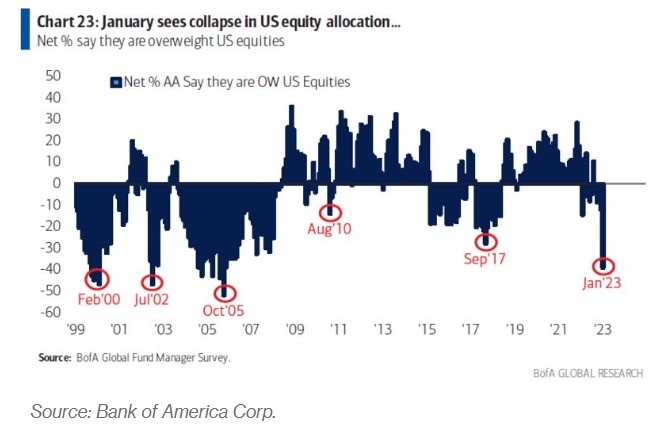
Investing in PyPL carries certain risks, such as the potential for regulatory changes and market volatility. However, it also presents numerous opportunities. The Python ecosystem is constantly evolving, with new packages and frameworks being developed regularly. This growth presents a promising opportunity for investors to capitalize on the increasing demand for Python developers.
In contrast, the US stock market also has its risks, including market bubbles, economic downturns, and geopolitical events. However, the US stock market has historically provided a good return on investment, particularly in sectors such as technology and healthcare.
Case Studies
To further illustrate the potential of investing in PyPL and the US stock market, let's look at a few case studies.
One notable example is the Python package "NumPy," which has become a fundamental tool for scientific computing. According to a report by TechCrunch, the NumPy package was valued at $20 million in 2018. This demonstrates the potential for high returns on investment in popular and widely-used Python packages.
In the US stock market, companies like Apple and Microsoft have shown remarkable growth over the past few decades. Both companies have become industry leaders in technology and have consistently provided high returns to their investors.
Conclusion
In conclusion, both PyPL and the US stock market offer unique investment opportunities. While the US stock market has historically provided more stability and higher returns, PyPL presents an exciting opportunity for investors to capitalize on the growth of the Python ecosystem. As with any investment, it's crucial to conduct thorough research and consult with a financial advisor before making any decisions.
us stock market today