
In the vast and dynamic world of global finance, the United States stock market stands out as one of the most influential and closely watched. The major US stock indices are key indicators of the market's health and provide valuable insights into the economic landscape. This article delves into the details of the major US stock indices, explaining their significance, components, and how they influence investors and traders alike.
The S&P 500 Index: A Benchmark for Blue-Chip Companies
The S&P 500 Index is perhaps the most well-known and widely followed of all US stock indices. It tracks the performance of 500 large companies from across various sectors of the economy, making it a benchmark for the broader market. This index is often used as a proxy for the health of the US economy and is highly respected for its diversity and liquidity.
The S&P 500 includes companies such as Apple, Microsoft, and Johnson & Johnson, which are considered blue-chip stocks. These companies are known for their stability and strong financial performance, making the S&P 500 a reliable indicator of the overall market trend.
The Dow Jones Industrial Average (DJIA): The oldest index
The Dow Jones Industrial Average (DJIA) is another significant index, known for being the oldest and most influential stock index in the US. It tracks the performance of 30 large publicly traded companies, which are considered representative of the overall market. The DJIA includes iconic companies such as General Electric, 3M, and Disney.
What sets the DJIA apart is its price-weighted nature, which means that the stock with the highest price has the most influence on the index's overall movement. This is in contrast to the market-cap weighted approach used by the S&P 500.
The NASDAQ Composite Index: Technology and innovation
The NASDAQ Composite Index is the primary index for the technology sector in the US. It tracks the performance of more than 3,200 companies, with a significant focus on technology and innovation. The NASDAQ includes giants like Apple, Microsoft, and Amazon, as well as emerging tech companies that are shaping the future.
The Russell 2000 Index: Small-cap companies and growth
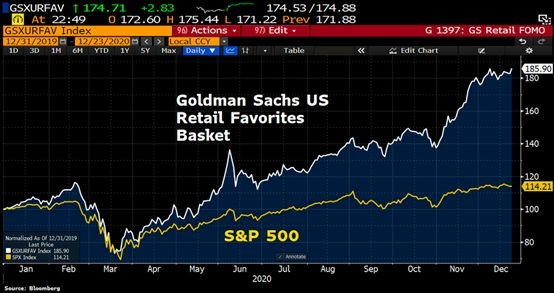
The Russell 2000 Index is an index of small-cap companies, offering a different perspective on the US stock market. It includes nearly 2,000 companies with a market capitalization of less than $2 billion. The Russell 2000 is often considered a gauge of smaller companies' growth potential and is seen as a barometer for economic health at the grassroots level.
Impact of Indices on the Market
The major US stock indices have a profound impact on the market. When an index is rising, it often signals optimism in the market, while a falling index may indicate investor concern or economic uncertainty. Traders and investors use these indices to make informed decisions about where to allocate their investments.
Conclusion
Understanding the major US stock indices is crucial for anyone interested in the stock market. From the S&P 500 to the NASDAQ Composite, each index offers valuable insights into different sectors of the economy. Whether you're an experienced investor or just starting out, being aware of these indices can help you navigate the complexities of the stock market and make more informed decisions.
us stock market today