
Introduction
In a bold move that has sent shockwaves through global financial markets, China has retaliated against the recent plunge in US stock futures. This strategic move by the Chinese government is a direct response to the ongoing trade tensions between the two economic powerhouses. As investors brace for more volatility, the implications of this retaliatory action could have far-reaching consequences.
Understanding the Stock Futures Plunge
The recent plunge in US stock futures can be attributed to a variety of factors, including escalating trade tensions, economic uncertainties, and geopolitical risks. Investors are concerned about the potential impact of tariffs and trade barriers on the global economy, particularly as the US and China continue to engage in a fierce trade war.
China's Retaliatory Measures
In response to the stock futures plunge, China has implemented several retaliatory measures. These measures include the imposition of additional tariffs on US goods, restrictions on technology transfers, and increased support for domestic industries. The goal of these measures is to protect China's interests and mitigate the impact of the trade war on its economy.
Impact on Global Financial Markets
The retaliatory action by China has further heightened tensions between the US and China, leading to increased volatility in global financial markets. Investors are concerned about the potential for a full-blown trade war, which could have devastating consequences for the global economy.
Case Studies
To illustrate the impact of the stock futures plunge and China's retaliatory measures, let's look at a few case studies:
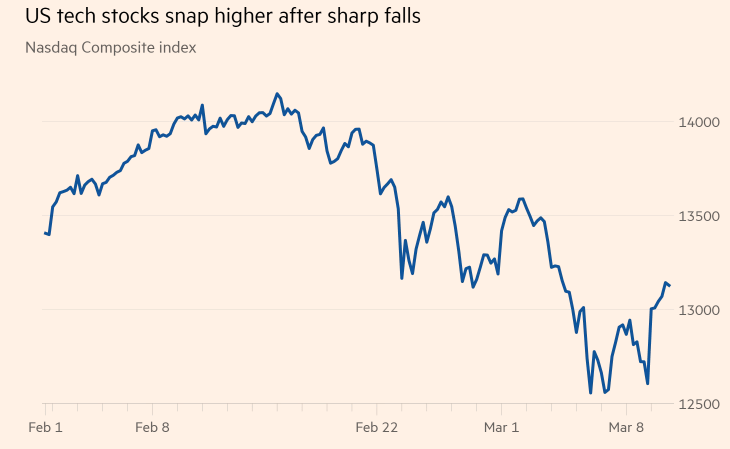
Tech Sector: The technology sector has been particularly hard hit by the trade tensions. Companies like Apple and Huawei, which rely heavily on Chinese manufacturing and supply chains, have seen their stocks decline significantly. This highlights the interconnectedness of global supply chains and the potential risks associated with trade wars.
Automotive Industry: The automotive industry is another sector that is feeling the heat. As China and the US engage in a trade war, auto manufacturers like Tesla and Volkswagen are facing increased costs and logistical challenges. This could lead to higher prices for consumers and reduced sales in both countries.
Agricultural Sector: The agricultural sector has also been affected by the trade tensions. US farmers, who rely heavily on exports to China, are facing decreased demand and lower prices for their products. This has had a ripple effect on the broader US economy.
Conclusion
The retaliatory action by China in response to the US stock futures plunge is a significant development in the ongoing trade tensions between the two countries. As investors grapple with increased volatility and economic uncertainties, it remains to be seen how this situation will unfold. However, one thing is clear: the implications of this trade war could have far-reaching consequences for the global economy.
can foreigners buy us stocks