
Introduction:
In the ever-evolving landscape of the US stock market, mid cap stocks have emerged as a powerful force in the world of investing. These stocks, which represent companies with a market capitalization between
Understanding Mid Cap Stocks Mid cap stocks are companies that fall between small and large cap stocks. While they may not have the same market presence as the largest companies in the S&P 500, they often possess a strong growth potential and stability that can appeal to investors. These companies are typically established enough to have a solid financial foundation but are still growing and expanding, offering a chance for investors to capitalize on their upward trajectory.
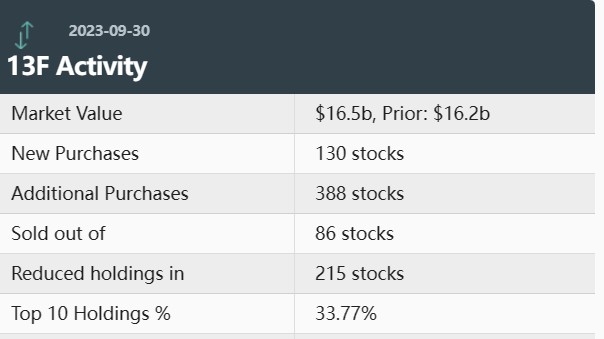
The Growth Potential of Mid Cap Stocks One of the primary reasons mid cap stocks are so attractive to investors is their potential for significant growth. Many mid cap companies are in the expansion phase, either through organic growth or through acquisitions and mergers. This expansion can lead to substantial returns for investors, especially if the company's industry is experiencing rapid growth.
For example, let's consider Tesla (TSLA), a mid cap stock that has experienced tremendous growth in recent years. Since its initial public offering in 2010, Tesla's stock has skyrocketed, offering investors a chance to participate in the electric vehicle revolution. By investing in mid cap stocks like Tesla, investors can gain exposure to the rapid growth and innovation of the industry.
Risks Involved in Investing in Mid Cap Stocks While mid cap stocks offer growth potential, they also come with inherent risks. These risks include market volatility, potential regulatory issues, and economic downturns. Additionally, mid cap companies may have less diversified product lines or less robust financial statements compared to their larger counterparts, which can make them more vulnerable to market changes.
It's crucial for investors to conduct thorough research and understand the risks associated with mid cap stocks before making investment decisions. By doing so, they can mitigate potential losses and focus on companies with strong fundamentals and growth potential.
Key Factors to Consider When Investing in Mid Cap Stocks To maximize the chances of success when investing in mid cap stocks, there are several key factors to consider:
- Financial Health: Assess the company's financial statements, including revenue growth, profit margins, and debt levels.
- Management Team: Look for a strong and experienced management team that has a clear vision for the company's future.
- Industry Outlook: Invest in companies that operate in industries with strong growth prospects and favorable market trends.
- Market Position: Consider the company's market position and competitive advantages in the industry.
- Dividend Yield: Some mid cap stocks may offer a dividend yield, providing investors with regular income.
Conclusion: Mid cap stocks offer investors a unique opportunity to participate in the growth of dynamic companies with strong potential. While these stocks come with risks, careful research and analysis can help investors identify promising mid cap companies and capitalize on their growth potential. By understanding the factors that drive mid cap stock performance and conducting thorough due diligence, investors can make informed decisions and potentially achieve significant returns.
can foreigners buy us stocks