
In the fast-paced world of finance, the US stock market has evolved significantly over the years. One of the most remarkable transformations has been the integration of computerised systems, which have revolutionised the way trades are executed and monitored. This article delves into the intricacies of the computerised US stock market, exploring its impact on trading efficiency and the benefits it offers to investors and traders alike.
The Rise of Computerised Trading
The advent of computerised trading systems has marked a significant shift in the US stock market. These systems utilise advanced algorithms to automate the buying and selling of stocks, bonds, and other financial instruments. This automation has not only increased the speed of transactions but has also reduced the potential for human error.
Benefits of Computerised Trading
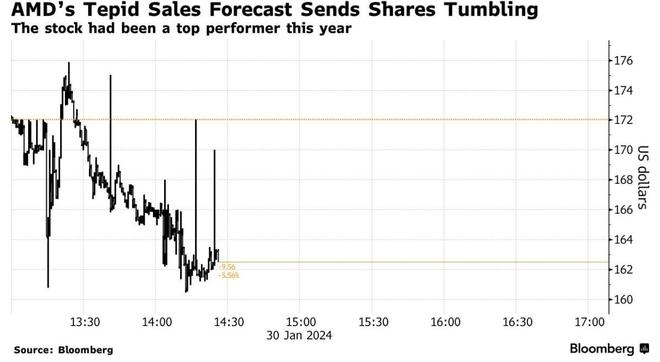
One of the primary advantages of computerised trading is its ability to execute trades at a much faster pace than traditional methods. In the stock market, time is of the essence, and computerised systems can process and execute trades in milliseconds. This speed is particularly beneficial during times of high volatility, as it allows investors to react swiftly to market changes.
Reduced Costs
Another significant benefit of computerised trading is the reduction in transaction costs. Automated systems eliminate the need for intermediaries, such as stock brokers, who often charge fees for their services. This direct approach to trading can lead to substantial savings for both institutional and retail investors.
Enhanced Market Liquidity
Computerised trading has also played a crucial role in enhancing market liquidity. By facilitating faster and more frequent trades, these systems ensure that there is always a buyer and seller for every stock, making it easier for investors to enter and exit positions without impacting the stock's price.
Algorithmic Trading
A key component of computerised trading is algorithmic trading, which involves using mathematical models to make trading decisions. These algorithms can be designed to scan the market for opportunities, execute trades, and adjust strategies based on market conditions. This level of sophistication allows for a high degree of precision and efficiency in trading.
Case Studies
One notable case study is the "Flash Crash" of 2010, where the Dow Jones Industrial Average plummeted by nearly 1,000 points in just minutes. While the crash was initially attributed to a human error, subsequent investigations revealed that computerised trading systems had played a significant role. This event highlighted the potential risks associated with automated trading and the need for robust risk management protocols.
Another example is the use of high-frequency trading (HFT) by large institutional investors. HFT involves the use of computer algorithms to execute a high volume of trades at incredibly fast speeds. This strategy has been successful for many investors, but it has also raised concerns about market fairness and the potential for excessive volatility.
Conclusion
The computerised US stock market has transformed the way trading is conducted, offering numerous benefits such as increased speed, reduced costs, and enhanced market liquidity. However, it is crucial for investors and regulators to remain vigilant about the risks associated with automated trading. As technology continues to evolve, the future of the stock market will undoubtedly be shaped by the ongoing development of computerised trading systems.
us stock market today live cha