
In the ever-evolving financial world, the stock market plays a pivotal role. For investors and traders, understanding how stock exchange share prices work is crucial. This article delves into the intricacies of US stock exchange share prices, exploring the factors that influence them and how to interpret market movements.
What Are US Stock Exchange Share Prices?
US stock exchange share prices refer to the current market value of a single share of a publicly-traded company. These prices fluctuate based on various factors, such as supply and demand, company performance, and economic indicators.
Factors Influencing US Stock Exchange Share Prices
Supply and Demand: The basic principle of supply and demand dictates that when demand for a stock increases, its price tends to rise. Conversely, when demand decreases, prices tend to fall. This dynamic is influenced by various factors, including investor sentiment, market trends, and economic news.
Company Performance: The financial performance of a company significantly impacts its stock price. Positive news, such as increased earnings or revenue, can drive up prices, while negative news, such as a decline in earnings or a product recall, can lead to a drop in share value.
Economic Indicators: Economic indicators, such as interest rates, inflation, and unemployment rates, can have a substantial impact on stock prices. For example, higher interest rates can make borrowing more expensive for companies, potentially leading to lower profits and a decrease in share prices.
Market Trends: Market trends, such as bull and bear markets, can significantly influence stock prices. During a bull market, prices tend to rise, while during a bear market, prices tend to fall.
How to Interpret US Stock Exchange Share Prices
Historical Data: Analyzing historical stock prices can provide valuable insights into a company's performance and market trends. Investors often use technical analysis, which involves studying past price movements to predict future market behavior.
Financial Ratios: Financial ratios, such as price-to-earnings (P/E) ratio and price-to-book (P/B) ratio, can help investors assess a company's valuation and compare it to its peers.
News and Events: Staying informed about news and events that may impact a company or the broader market is crucial for interpreting stock prices. This includes earnings reports, product launches, and regulatory changes.
Case Study: Apple Inc.
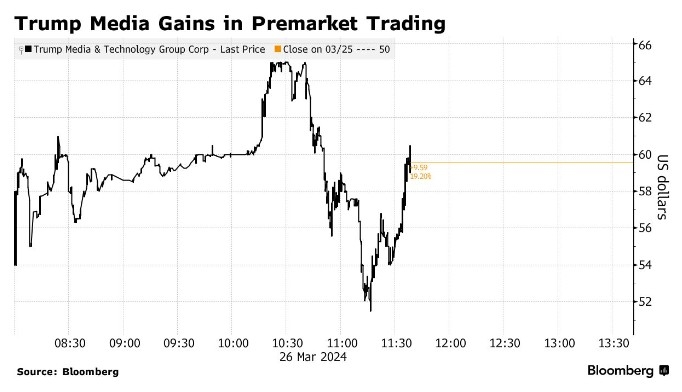
Consider the case of Apple Inc., one of the most valuable companies in the world. Over the past decade, Apple's stock price has experienced significant volatility. In 2012, the company's stock price reached an all-time high of
This case illustrates how various factors, such as company performance and market sentiment, can influence stock prices. By analyzing historical data and financial ratios, investors can gain a better understanding of a company's value and potential for future growth.
Conclusion
Understanding US stock exchange share prices is crucial for investors and traders looking to navigate the complex world of the stock market. By analyzing factors such as supply and demand, company performance, and economic indicators, investors can make informed decisions and potentially achieve their financial goals.
us stock market live