
Introduction
In recent years, the US stock market has seen a meteoric rise, prompting many to question whether it's a bubble waiting to burst. This article delves into the factors contributing to this surge, examines the historical context, and evaluates the likelihood of a bubble forming in the current market landscape.
Rising Stock Prices and Low Interest Rates
One of the primary factors driving the stock market's rise is the persistent low-interest-rate environment. The Federal Reserve has kept interest rates at historic lows, making borrowing cheaper and encouraging investors to seek higher returns in riskier assets like stocks. This has led to a surge in stock prices, especially in the technology and growth sectors.
Technology and Growth Stocks Leading the Charge
Technology and growth stocks have been the main drivers of the stock market's ascent. Companies like Apple, Amazon, and Google have seen their valuations soar as they continue to innovate and dominate their respective markets. This has led to a "FANG" (Facebook, Amazon, Netflix, Google) phenomenon, where these tech giants have become the focal point of the market.
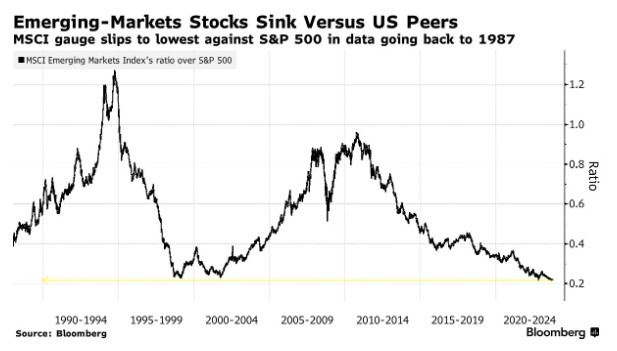
Valuation Metrics: A Closer Look
Despite the impressive rise in stock prices, some investors are concerned that the market is overvalued. Valuation metrics like the Price-to-Earnings (P/E) ratio and the Shiller P/E ratio have reached historic highs, raising questions about whether the market is in a bubble.
Historical Context: The Dot-Com Bubble
To understand the current market landscape, it's essential to look at historical context. The dot-com bubble of the late 1990s serves as a cautionary tale. During this period, many internet companies were valued at absurd levels, leading to a spectacular crash in 2000. The current market's valuation raises concerns that history might repeat itself.
The Case of Tesla
Tesla, an electric vehicle manufacturer, is a prime example of a company valued at a premium. Its market capitalization has soared, reaching over $1 trillion at one point. While Tesla's innovative approach to the automotive industry is commendable, some analysts argue that its valuation is not justified, raising concerns about the sustainability of its stock price.
Inflation and Geopolitical Factors
Inflation and geopolitical factors also play a role in the stock market's current state. Rising inflation could lead to higher interest rates, potentially slowing down economic growth and affecting stock prices. Additionally, geopolitical tensions, such as those between the US and China, could impact global markets.
Conclusion
While the US stock market has seen significant growth in recent years, concerns about a bubble persist. Factors like low-interest rates, rising technology and growth stocks, and valuation metrics raise questions about the market's sustainability. While history may serve as a guide, the current market landscape is unique, making it difficult to predict its future trajectory. As investors, it's crucial to remain vigilant and conduct thorough research before making investment decisions.
us stock market live