
In the fast-paced world of finance, the US stock futures market plays a pivotal role in shaping investor sentiment and market expectations. This article delves into the intricacies of the US stock futures market, its significance, and the reactions it generates among investors and traders. By understanding these dynamics, one can gain valuable insights into the broader market trends and potential investment opportunities.
Understanding US Stock Futures
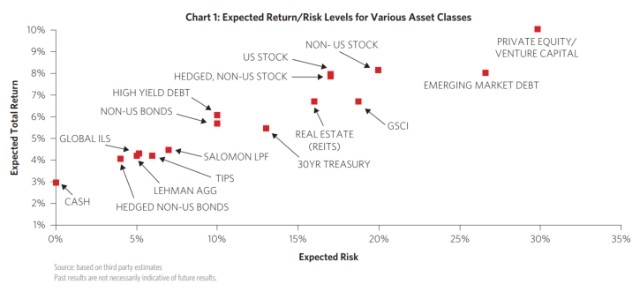
The US stock futures market allows investors to speculate on the future price of a stock or a basket of stocks without owning the actual shares. These contracts are traded on various exchanges, such as the Chicago Mercantile Exchange (CME) and the Chicago Board of Trade (CBOT). The most popular US stock futures include those based on the S&P 500, the NASDAQ 100, and the Dow Jones Industrial Average.
Market Reactions to US Stock Futures
The US stock futures market reaction to various events and news can be quite volatile. Here are some key factors that influence these reactions:
1. Economic Indicators
Economic indicators, such as GDP growth, unemployment rates, and inflation data, play a crucial role in shaping the US stock futures market reaction. For instance, a higher-than-expected GDP growth rate can boost investor confidence and lead to an increase in stock futures prices. Conversely, a lower-than-expected growth rate can trigger a sell-off.
2. Corporate Earnings Reports
Corporate earnings reports are another significant factor that influences the US stock futures market reaction. Positive earnings reports can drive up stock futures prices, while negative reports can lead to a decline. Investors closely monitor these reports to gauge the financial health of companies and the overall market outlook.
3. Political Events
Political events, such as elections, policy changes, and trade disputes, can also have a significant impact on the US stock futures market reaction. For example, a win for a pro-business candidate in a key election can boost investor confidence and lead to higher stock futures prices. Conversely, a trade war or policy uncertainty can cause a sell-off.
4. Global Events
Global events, such as geopolitical tensions, natural disasters, and economic crises, can also influence the US stock futures market reaction. These events can lead to increased volatility and uncertainty, causing investors to react accordingly.
Case Studies
To illustrate the impact of these factors on the US stock futures market reaction, let's consider a few case studies:
1. The 2020 COVID-19 Pandemic
The outbreak of the COVID-19 pandemic in early 2020 led to a sharp decline in the US stock futures market. As the pandemic spread, investors became increasingly concerned about the economic impact, leading to a sell-off in stock futures. However, as the pandemic situation improved and governments implemented stimulus measures, the market began to recover.
2. The 2020 US Presidential Election
The 2020 US presidential election was another significant event that influenced the US stock futures market reaction. As the election results became clear, investors reacted to the potential policy changes and market outlook under the new administration. This led to increased volatility in stock futures prices.
Conclusion
The US stock futures market reaction to various events and news is a complex and dynamic process. By understanding the factors that influence these reactions, investors and traders can better navigate the market and make informed decisions. As the market continues to evolve, staying informed and adaptable will be key to success in the US stock futures market.
us lbm stock