
The ongoing trade negotiations between the United States and China have been a hot topic in the financial world, with investors closely watching the developments. One of the most significant impacts of these talks has been on stock prices. In this article, we will delve into the relationship between US-China talks and stock prices, exploring the factors that influence them and providing a comprehensive analysis.
Trade Negotiations and Stock Prices
The relationship between trade negotiations and stock prices is well-documented. When negotiations between the two countries are progressing smoothly, investors tend to be optimistic, leading to a rise in stock prices. Conversely, when talks stall or take a negative turn, investors become cautious, leading to a decline in stock prices.
Impact of Recent Talks on Stock Prices
In recent months, the US-China trade talks have seen several ups and downs. One of the most significant developments was the announcement of a phase-one trade deal in December 2019. This deal led to a surge in stock prices, with the S&P 500 index rising by over 5% in the days following the announcement.
However, the deal was not without its critics, and the talks have since faced several challenges. In early 2020, tensions between the two countries escalated once again, leading to a decline in stock prices. This was particularly evident in the technology sector, which is heavily reliant on trade with China.
Factors Influencing Stock Prices
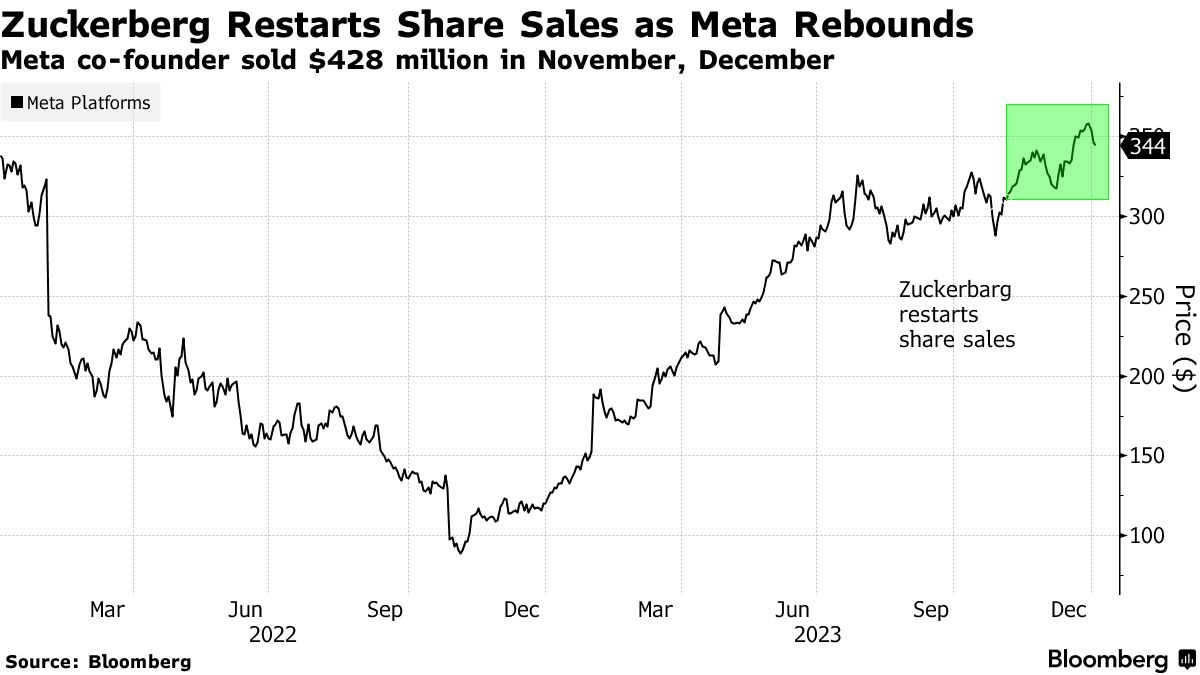
Several factors influence the relationship between US-China talks and stock prices. These include:
- Economic Growth: A strong economy in either the US or China can boost investor confidence and lead to a rise in stock prices.
- Consumer Sentiment: When consumers are optimistic about the future, they are more likely to spend, which can lead to higher corporate earnings and, subsequently, higher stock prices.
- Interest Rates: Lower interest rates can make borrowing cheaper, leading to increased investment and higher stock prices.
Case Studies
Several case studies illustrate the impact of US-China talks on stock prices. One notable example is the tech sector. In 2018, tensions between the two countries led to a decline in stock prices for major tech companies, such as Apple and Microsoft. Conversely, when talks progressed and a phase-one trade deal was announced, these companies saw their stock prices surge.
Another example is the agricultural sector. In 2019, the US and China reached a trade deal that included significant purchases of American agricultural products by China. This deal led to a rise in stock prices for agricultural companies, as they expected increased demand for their products.
Conclusion
The relationship between US-China talks and stock prices is complex, influenced by a variety of factors. While trade negotiations can have a significant impact on stock prices, it is important for investors to consider the broader economic context when making investment decisions. As the talks continue, investors will need to stay informed and vigilant to navigate the potential risks and opportunities that arise.
us lbm stock