
In the global financial landscape, the stock markets of China and the United States stand as two of the most influential and dynamic. Both markets offer unique opportunities and challenges for investors, and understanding their differences and similarities is crucial for making informed decisions. This article delves into a comprehensive comparison of the Chinese and US stock markets, highlighting key aspects such as market structure, performance, and investment strategies.
Market Structure
The Chinese stock market, primarily centered around the Shanghai and Shenzhen exchanges, operates under a different regulatory framework compared to the US. The Chinese market is characterized by a higher level of government intervention, with the State Council's State-owned Assets Supervision and Administration Commission (SASAC) playing a significant role in the oversight of state-owned enterprises (SOEs). This intervention often leads to a more controlled and stable market environment.
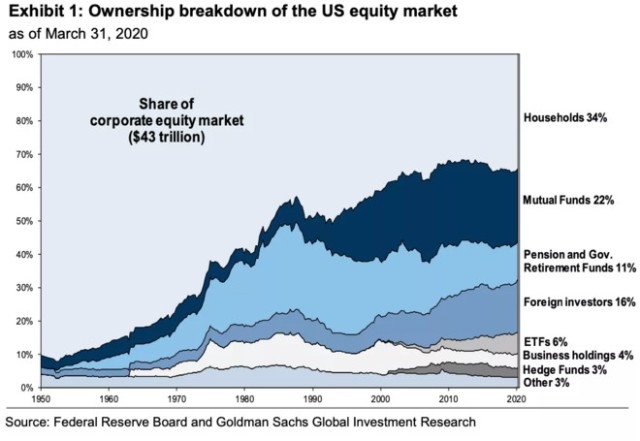
In contrast, the US stock market, dominated by the New York Stock Exchange (NYSE) and the NASDAQ, operates under a more decentralized regulatory system. The Securities and Exchange Commission (SEC) is responsible for regulating the market, ensuring fair and transparent trading practices. This decentralized structure allows for greater flexibility and innovation, but also exposes investors to higher volatility.
Performance
Over the past few years, the Chinese stock market has experienced significant growth, driven by the country's rapid economic development and the expansion of its consumer market. The Shanghai Composite Index and the Shenzhen Component Index have seen substantial gains, making China one of the fastest-growing stock markets in the world.
The US stock market, on the other hand, has also performed well, with the S&P 500 and the NASDAQ leading the way. The US market's strong performance can be attributed to its robust economic growth, technological advancements, and diverse range of industries.
Investment Strategies
Investing in the Chinese stock market requires a different approach compared to the US market. Due to the higher level of government intervention, investors should pay close attention to policy changes and economic indicators that could impact the market. Additionally, understanding the local culture and consumer behavior is essential for successful investing in China.
In the US market, investors can benefit from a more diversified portfolio, with access to a wide range of sectors and industries. The US market's strong regulatory framework also provides a level of security and transparency that may not be as prevalent in the Chinese market.
Case Studies
To illustrate the differences between the Chinese and US stock markets, let's consider two case studies:
Alibaba vs Amazon: Alibaba, a Chinese e-commerce giant, and Amazon, a US-based e-commerce leader, offer a clear comparison of the two markets. While Alibaba has experienced strong growth in the Chinese market, it has faced challenges in expanding internationally. Amazon, on the other hand, has successfully expanded its global presence, demonstrating the US market's potential for international growth.
Baidu vs Google: Baidu, a Chinese search engine, and Google, a US-based search engine, showcase the differences in market structure and performance. Baidu has thrived in the Chinese market, thanks to the country's large internet user base. However, Google's presence in the US market has been significantly stronger, reflecting the US market's competitive nature.
In conclusion, the Chinese and US stock markets offer unique opportunities and challenges for investors. Understanding the differences between these markets is crucial for making informed investment decisions. By considering factors such as market structure, performance, and investment strategies, investors can navigate the complexities of both markets and achieve their financial goals.
us lbm stock