
The stock market is a critical component of the global economy, and its stability is vital for the prosperity of nations and individuals alike. Throughout history, the stock market has experienced various crashes, each with its own unique characteristics and implications. This article aims to provide a comprehensive overview of some of the most significant stock market crashes, highlighting the factors that led to their occurrence and the impact they had on the global financial landscape.
The Great Depression (1929-1939)
The most famous stock market crash in history, the Great Depression, began with the stock market crash of October 29, 1929, known as "Black Tuesday." This crash was triggered by a speculative bubble in the stock market, as investors bought stocks on margin, using borrowed money. When the bubble burst, panic selling ensued, leading to a significant decline in stock prices and a subsequent economic downturn.
The Dot-Com Bubble (2000-2002)
The dot-com bubble was a speculative bubble that occurred in the 1990s, primarily involving technology stocks. It reached its peak in March 2000, with the NASDAQ Composite Index hitting an all-time high of 5,048.62. However, the bubble burst in 2002, leading to a sharp decline in stock prices and a subsequent recession.
The Financial Crisis of 2007-2008
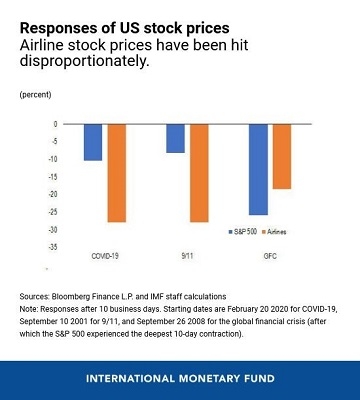
The financial crisis of 2007-2008 was a severe worldwide financial crisis that was caused by the bursting of the U.S. housing bubble. The crisis began in 2007 with the collapse of mortgage lender Bear Stearns and quickly escalated into a global financial crisis. It led to the failure of several major financial institutions, including Lehman Brothers, and caused widespread economic hardship.
The 2020 Stock Market Crash
The COVID-19 pandemic caused a significant stock market crash in March 2020, known as "Black Thursday." The crash was triggered by fears of the economic impact of the pandemic, leading to a rapid sell-off of stocks. However, the market quickly recovered, with many analysts attributing the rapid recovery to unprecedented stimulus measures taken by governments and central banks around the world.
The Role of Speculation and Financialization
One common thread among these stock market crashes is the role of speculation and financialization. Speculation involves buying assets with the expectation of selling them at a higher price, often leading to market bubbles. Financialization refers to the increasing influence of financial markets on the economy, which can lead to excessive risk-taking and market instability.
Conclusion
The stock market has experienced various crashes throughout history, each with its own unique characteristics and implications. Understanding the factors that lead to these crashes is crucial for investors and policymakers alike, as it can help prevent future crises and promote financial stability.
us lbm stock