
In the dynamic world of finance, the US stock market often sets the tone for global markets, including those in Asia. Understanding how US stock futures impact Asian markets is crucial for investors and traders alike. This article delves into the relationship between US stock futures and Asian markets, highlighting the key factors that influence this connection.
The Role of US Stock Futures
US stock futures are financial contracts that allow investors to speculate on the future price of a stock without owning the actual stock. These futures are traded on various exchanges, including the Chicago Mercantile Exchange (CME) and the Chicago Board of Trade (CBOT). They are closely tied to the actual stock prices of companies listed on major US stock exchanges like the New York Stock Exchange (NYSE) and the NASDAQ.
How US Stock Futures Influence Asian Markets
Market Sentiment: The movement of US stock futures can significantly impact market sentiment in Asia. For instance, if US stock futures are rising, it can boost investor confidence in Asian markets, leading to increased buying activity. Conversely, if US stock futures are falling, it can lead to a sell-off in Asian markets.
Economic Indicators: US stock futures often reflect economic indicators, such as employment data, GDP growth, and inflation rates. These indicators can influence Asian markets, as they provide insights into the overall economic health of the US and, by extension, the global economy.
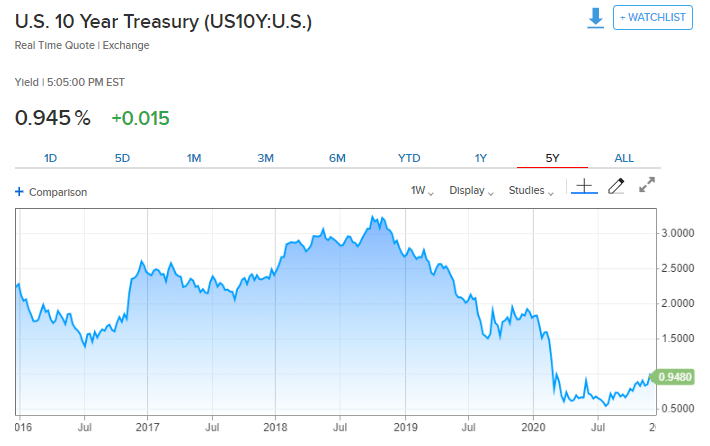
Interest Rates: The Federal Reserve's policies on interest rates can have a direct impact on US stock futures. Higher interest rates can lead to higher yields on US Treasury bonds, making them more attractive to investors, which can, in turn, affect Asian markets.
Case Study: The Impact of US Stock Futures on the Japanese Market
One notable example of the impact of US stock futures on Asian markets is the Japanese market. In 2016, the US stock market experienced a significant rally, driven by strong corporate earnings and low interest rates. This rally in US stock futures had a positive spillover effect on the Japanese market, leading to a surge in investor confidence and increased stock prices.
Conclusion
Understanding the relationship between US stock futures and Asian markets is essential for investors and traders. By keeping a close eye on US stock futures, investors can gain valuable insights into market trends and make informed investment decisions. As the global financial landscape continues to evolve, the influence of US stock futures on Asian markets is likely to remain a crucial factor in the world of finance.
new york stock exchange