
The recent election results have sent shockwaves through the financial markets, leading to a dramatic drop in stock prices and a weakening of the US dollar. This article delves into the reasons behind these developments and explores the potential implications for investors and the economy.
Stock Market Turmoil
The election results have sparked a significant sell-off in the stock market, with major indices experiencing their worst declines in years. Investors are reacting to the uncertainty surrounding the new administration's policies and the potential for increased political tensions.
Reasons for the Stock Market Decline
- Uncertainty: The outcome of the election has created a sense of uncertainty among investors, leading to a sell-off as they seek to protect their portfolios.
- Policy Concerns: Investors are concerned about the potential for new policies that could impact the economy and corporate profits.
- Political Tensions: The election has highlighted deep divisions in the country, raising concerns about the potential for increased political tensions and gridlock in Washington.
Weakening US Dollar
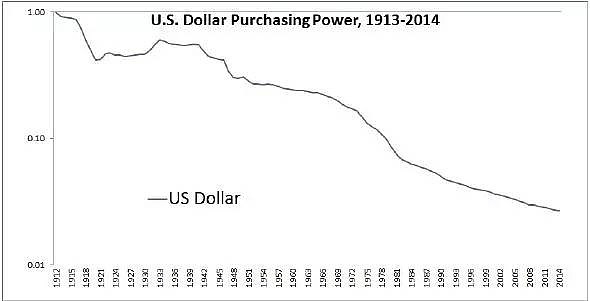
The US dollar has also weakened in the wake of the election results, as investors seek alternative currencies and assets. This decline has been driven by a combination of factors, including:
- Risk Aversion: Investors are becoming more risk-averse, leading them to seek safer assets such as gold and the Japanese yen.
- Economic Concerns: The potential for increased political tensions and economic uncertainty has raised concerns about the US economy, leading to a weaker dollar.
- Interest Rate Expectations: The Federal Reserve's interest rate policy is also a factor, as investors speculate on the potential for rate cuts in response to economic concerns.
Impact on Investors
The recent developments in the stock market and the US dollar have significant implications for investors. Here are some key considerations:
- Diversification: Investors should consider diversifying their portfolios to mitigate risk and protect against market volatility.
- Risk Management: It's important to have a well-defined risk management strategy in place to protect against potential losses.
- Long-Term Perspective: While short-term market volatility is a concern, it's important to maintain a long-term perspective and focus on long-term investment goals.
Case Studies
To illustrate the impact of the election results on the financial markets, let's consider a few case studies:
- Apple Inc.: Shares of Apple Inc. have fallen sharply in the wake of the election results, as investors worry about the potential impact of new policies on the technology sector.
- Goldman Sachs: The stock price of Goldman Sachs has also declined, as investors speculate on the potential impact of new policies on the financial sector.
- US Dollar: The US dollar has weakened against a basket of major currencies, as investors seek alternative assets.
In conclusion, the recent election results have had a significant impact on the financial markets, leading to a decline in stock prices and a weakening of the US dollar. Investors should be aware of these developments and consider their implications for their portfolios. By maintaining a well-diversified portfolio and a long-term perspective, investors can navigate the choppy waters of the current market environment.
can foreigners buy us stocks